
Whether you’ve applied for a job and have a disability, or you’ve been working for an employer for a period of time and have developed a disability, it’s important to understand what you are entitled to and what options you have regarding your employment. In the event you discover your rights are being violated, a Charleston disability lawyer can help.
If you’re being discriminated against at work because of your disability, or you’re struggling to get your employee to approve disability benefits or accommodations, DiPiero Simmons McGinley & Bastress, PLLC can help. We’re dedicated to helping hardworking West Virginians when they need it most.
The Americans With Disabilities Act and WV Disability Insurance
There are state and federal laws that protect individuals from disability discrimination. Federally, the Americans With Disabilities Act of 1990 makes it unlawful to discriminate against an employee because of a disability. Job discrimination is illegal if practiced by private employers, state and local governments, employment agencies, labor organizations, and labor-management committees.
When you apply for a job, an employer is not allowed to ask you if you are disabled or about the nature or severity of your disability. Nor can they require a medical examination prior to offering you a job. They can, however, ask if you can perform the duties of the job with or without reasonable accommodations and make you a conditional offer based on passing a required medical examination—assuming all other employees entering that job category have to take the examination as well.
If you’re injured on the job, disability insurance pays wage replacement benefits when you are unable to work due to non-job-related injuries or illnesses. In the event you are injured on the job, you would be eligible for workers’ compensation benefits.
Social Security and Disability Determination
The process for determining whether or not disability benefits are owed to an employee is rather complex. That’s why it’s best to work with an employment law lawyer who will have the experience and resources needed to ensure your claim is successful.
When you apply for disability benefits, a case is opened and forwarded to the Disability Determination Service. There, they will decide whether your situation meets the medical requirements of disability. According to the rules of Social Security, eligibility is determined when a person is unable to perform any work for at least 12 months due to physical, mental, or combined physical and mental impairment.
It’s important to note that Social Security pays only for total disability. This implies an employee is unable to earn more than 80% of their pre-disability earnings. Their available coverage is based on two different plans. Plan one includes 50% of the first $6,000 of your monthly pre-disability earnings, with a maximum monthly benefit of $3,000. Plan two is 70% of the first $8,571 of your monthly pre-disability earnings, with a maximum monthly benefit of $6,000.

Work With a Charleston Disability Lawyer Today
Don't miss out on benefits that you're entitled to. Whether You need short- or long-term disability benefits, you can fight for what you need. Contact an experienced disability lawyer today to learn more about your options for securing your benefits.
If your disability is temporary or partial, the Social Security program assumes that working families have access to other resources to provide support during those times—like workers’ compensation, insurance, savings, and investments. West Virginia considers an employee short-term disabled when they are unable to earn more than 60% of their pre-disability earnings. Weekly benefits provided are 70% of those previous earnings.
In the event an applicant is found 25% disabled, their claim would be handled under the rules for workers’ compensation or veterans’ benefits—depending on the circumstances. If eligible for disability benefits, social security disability insurance (SSDI) or supplement security income (SSI) may be available. The former pays benefits to you and certain family members if you’ve worked long enough and paid Social Security taxes, while the latter pays benefits to children and adults who have limited income and resources.
A significant number of claims for disability benefits are denied. If your claim is denied, you have the right to appeal the decision. You’ll want to work with a skilled legal representative through this process, which will increase your chances of receiving benefits.
What To Do If You’re Not Receiving the Benefits You Need
Whether your employer is not providing reasonable accommodations, or they’ve ignored or denied your request for filing for disability compensation, you can start by putting your request in writing, addressing your manager and the human resources department, and specifically mentioning the ADA. Explain your legal rights and see how your employer responds.
In the event your rights are continually violated, it’s time to seek legal assistance. A lawyer can look into the situation and determine what you are entitled to. Depending on your situation, you may pursue a disability discrimination lawsuit.
If you pursue litigation, you will file a complaint with the ADA. They will review your complaint and inform you of the actions they decide to take. This could include requesting additional information, referring your complaint to the ADA Mediation Program, the United States Attorney’s Office, or another federal agency, investigating your complaint, or considering is for possible litigation by the Department of Justice.
Contact DiPiero Simmons McGinley & Bastress, PLLC
Employers have a responsibility to their employees to provide reasonable accommodations and benefits in the event of a disability. When an employee’s rights are violated, legal action is available to them. Going up against an employer can seem intimidating, which is why it’s important to have a reliable legal representative by your side.
To learn more about filing a disability claim, get in touch with a Charleston disability lawyer from our law firm. We’ll review your situation and help you determine how best to proceed based on your unique circumstances. Contact us today to learn more.
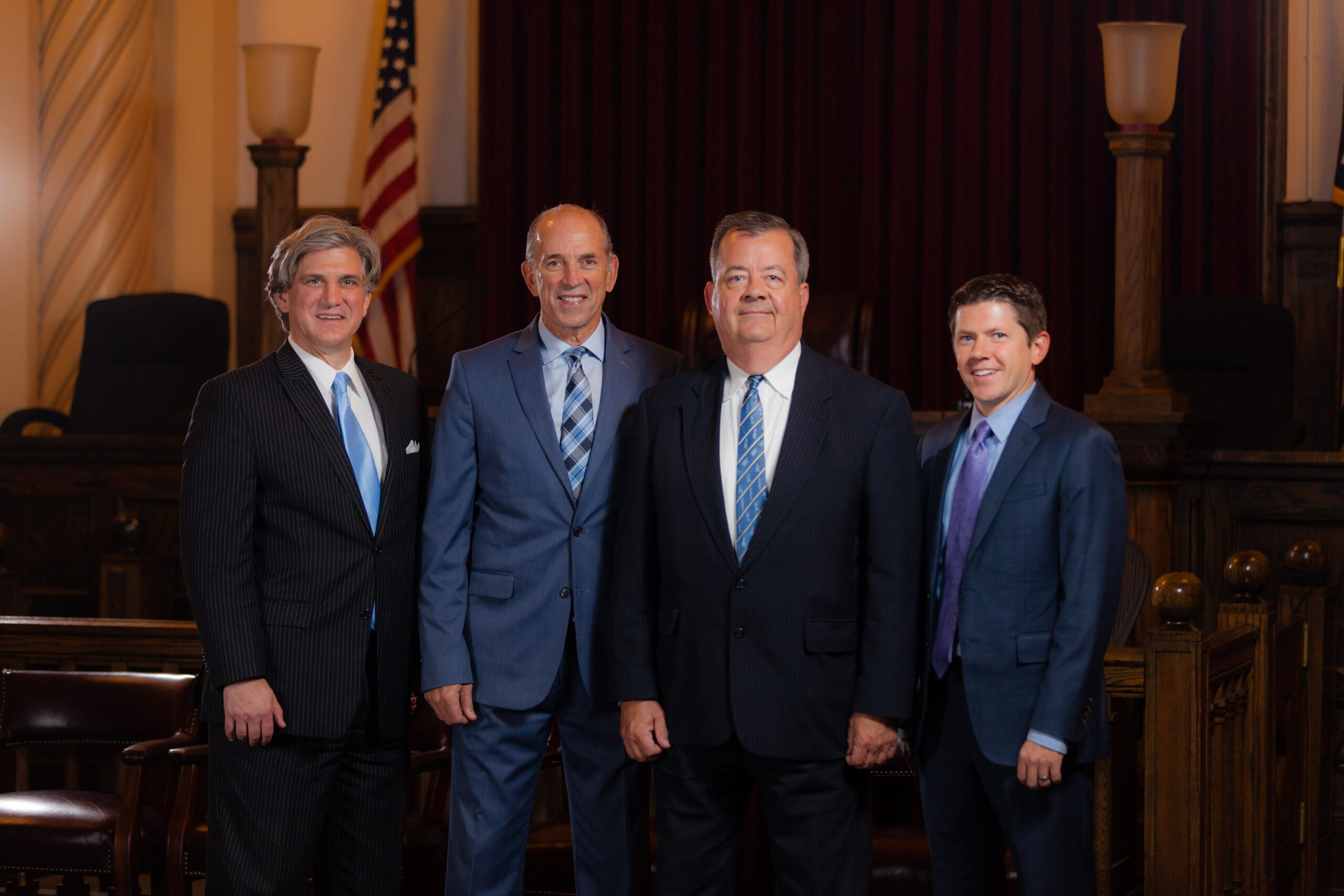

We will review your potential case promptly and contact you to discuss the merits.